Before you compare quotations
A useful first-order brief separates the product, packaging and delivery requirements. Before comparing suppliers, decide whether you are buying bulk bundles for repacking, ready-to-sell craft packs or components for a DIY kit. Keep an approved physical sample and a written specification so that quoted prices refer to the same product. This checklist supports purchasing discussions; it is not a customs ruling or a promise of local stock.
1. Describe the craft product accurately
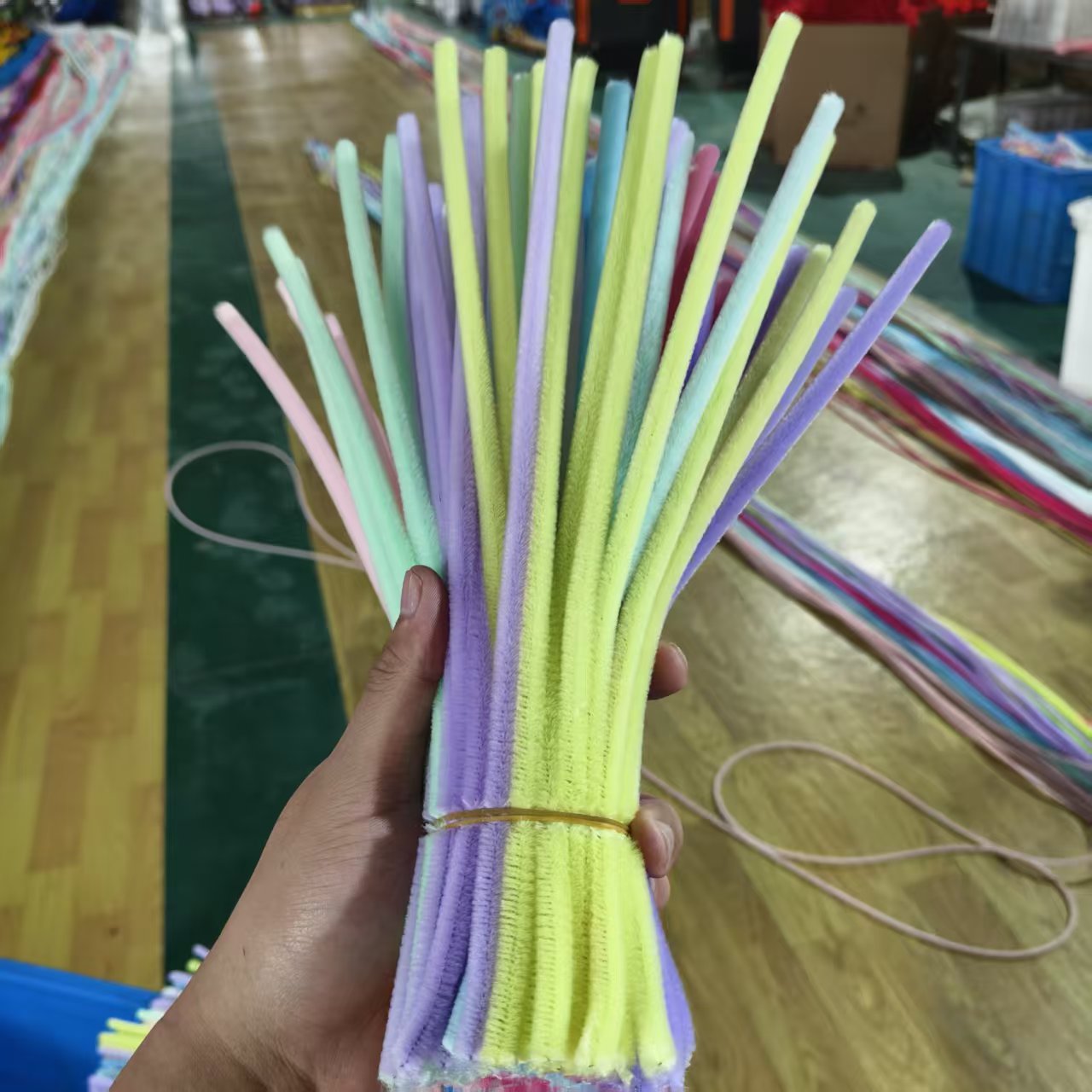
Specify fibre-covered, flexible wire stems for craft use, commonly called pipe cleaners or chenille stems. Distinguish them from brushes for cleaning pipes. Record diameter, length, finish, colour codes and a sample reference. Review standard stems and glitter stems separately if the finishes have different intended uses.
2. Work backwards from your selling unit
A retail bag, a classroom pack and a flower-making kit may use the same stem but need different counts and colours. List pieces of each colour per pack, packs per SKU, label artwork and any accessories. A pack of assorted colours is not a complete specification unless the colour ratio is defined.
3. Request carton data for the selected pack
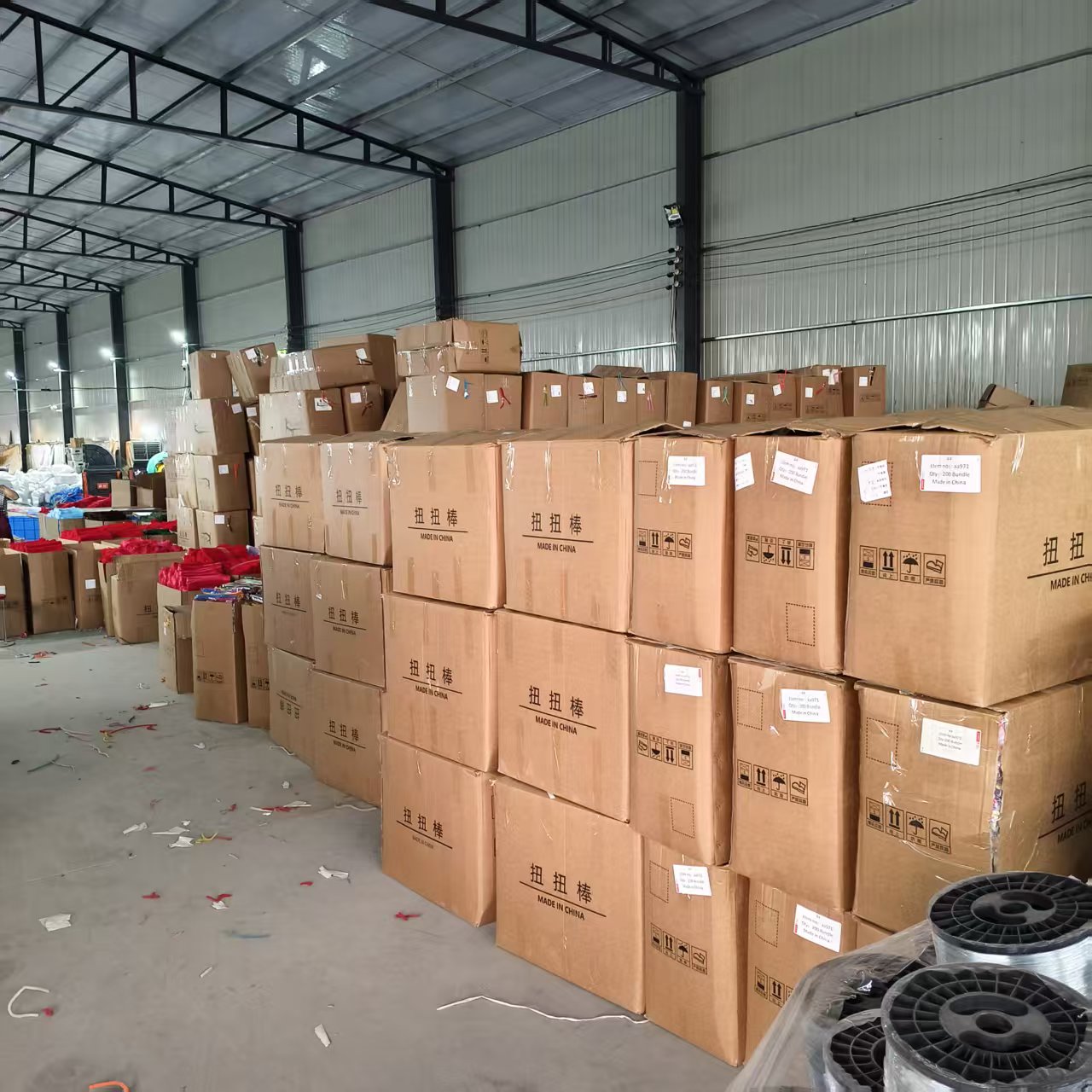
A common bundle reference is 100 pieces, but do not calculate freight from a generic carton number. Ask for final cartons, external dimensions and gross weight after the stem and packing configuration have been chosen. Compare freight quotes against the same shipment data and delivery scope.
4. Confirm who handles the import
Agree who is the importer, who appoints the customs agent and which destination is included in the quotation. Verify the applicable registration and document requirements using official SARS importer guidance. Have the agent confirm classification and charges for the actual goods; do not assume a code, tax rate or exemption from a supplier's marketing page.
5. Separate factory price from logistics
Ask whether the quotation is EXW, FOB or CIF and, where applicable, which named place or port is included. Clarify responsibilities for onward transport and clearance. A quote for a port is not automatically a quote for your warehouse. Do not compare two totals before checking what each includes.
6. Approve a repeatable sample record
Keep sample photos, measured dimensions, colour codes, exact assortment and packaging artwork together. Tell the supplier about any intended children's use and required documentation before approval. Inspect piece count, colour ratio, stem appearance and label version against that record, rather than a general claim of quality.
Send a short enquiry, not an unfinished spreadsheet
You can start with the product type, approximate quantity and destination. Details can follow during quotation. The South Africa wholesale page summarises available formats; use the RFQ checklist when you are ready to formalise the specification.
Questions before placing an order
Do I need to know every specification before enquiring?
No. Start with the intended use, approximate quantity and destination; dimensions, colours and packaging can be clarified during quotation.
Should I calculate freight using 100 pieces per bundle?
No. Bundle count alone does not determine shipment volume. Ask for the selected order's final carton dimensions, gross weight and carton quantity.
Can the page provide a guaranteed import duty?
No. Your customs agent should confirm classification and applicable charges for the actual goods using current official guidance.
Is a colour-chart image enough for approval?
A screen image is a starting reference. Use a physical sample and agreed colour codes for approval and repeat orders.
Where can I verify the supplier's identity?
The company-verification page identifies the brand, legal entity and self-owned factory in Anping, Hebei, China. Video verification or a factory visit can be discussed.
Can I get a quote without a company name or exact quantity?
Yes. The website form requires your name, email and product message. Company and quantity fields remain optional.