Introduction
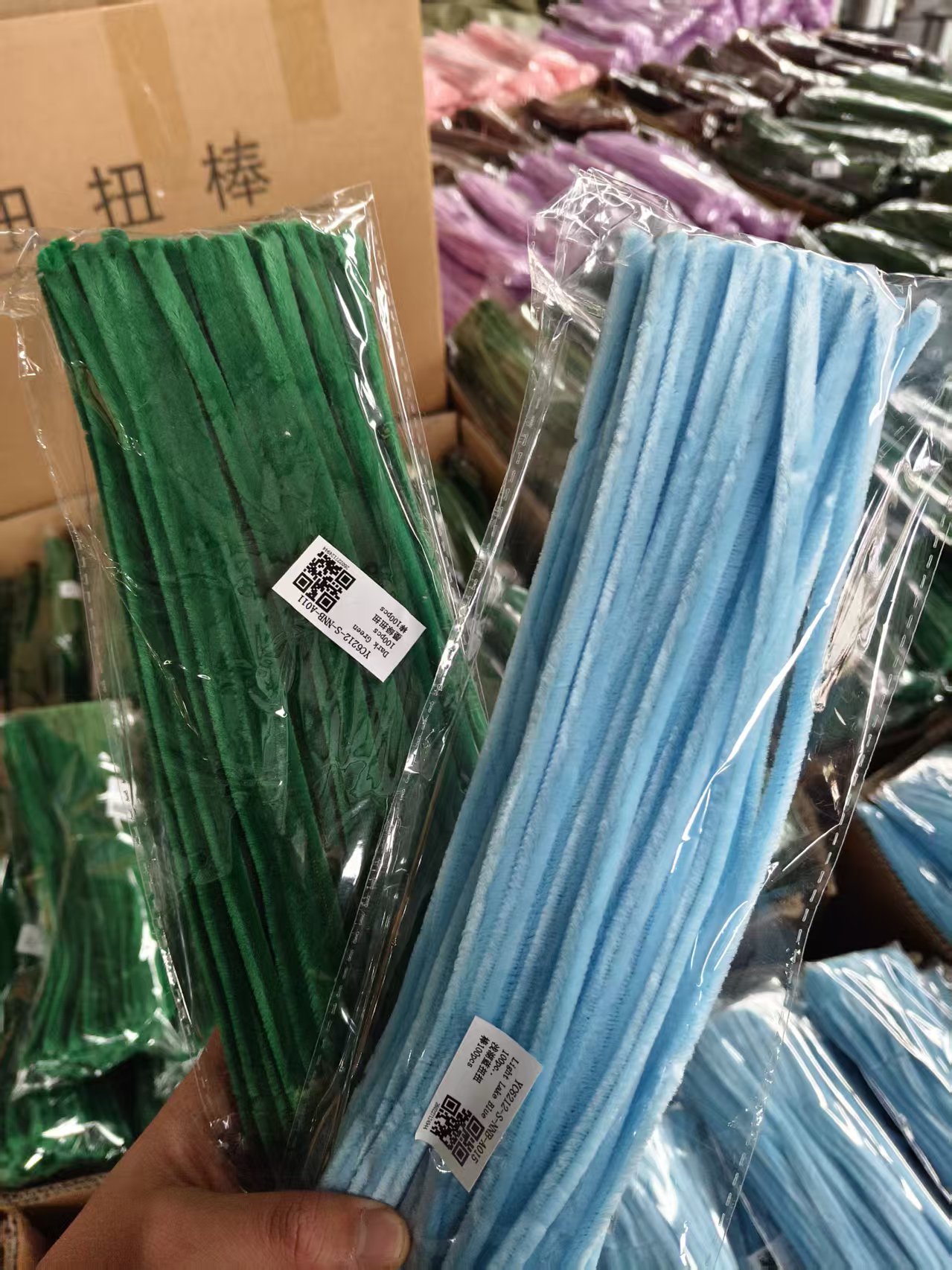
In most craft and retail contexts, chenille stems and pipe cleaners are the same type of product: flexible wire stems covered with fuzzy fibers. The difference is mainly terminology and buyer intent. “Pipe cleaners” is often more familiar to consumers, while “chenille stems” is often used in professional sourcing, craft supply catalogs and B2B communication.
For wholesale buyers, the wording matters more than it may seem. The term you use can affect supplier communication, retail packaging, marketplace search visibility, customer expectations and even the type of product a factory quotes. If you ask for “pipe cleaners” without explaining craft use, a supplier may not know whether you need children’s craft stems, decorative glitter stems, cleaning tools or retail craft kit components.
This article explains the difference between chenille stems and pipe cleaners from a procurement and marketing perspective. It is designed for buyers, purchasing managers, importers, craft brands, DIY kit companies and wholesalers who need to choose the correct terminology for sourcing, packaging, online listings and product specifications.
Table of Contents
- Short answer for buyers
- Why the product has two names
- How buying context changes the meaning
- Which term to use on retail packaging
- Which term to use when asking for factory quotes
- SEO and marketplace naming
- Specifications matter more than naming
- Common buyer mistakes
- FAQ
Short Answer for Buyers
If you are buying for craft, education, DIY kits or retail creative products, chenille stems and pipe cleaners usually refer to the same product category. Both describe bendable fuzzy stems made with a wire core and fiber surface. The key difference is how the term is used by different audiences.
Consumers in many English-speaking markets often search for “pipe cleaners.” Craft suppliers and manufacturers may prefer “chenille stems.” Retail packages often benefit from using both terms, such as “Chenille Stems / Pipe Cleaners,” because it helps both professional buyers and end consumers recognize the product.
However, buyers should not rely on the name alone. A product called “pipe cleaner” may be a colorful craft stem, but it may also be a functional cleaning tool. A product called “chenille stem” usually suggests a craft product, but the exact size, finish, color and packaging still need to be specified.
Why the Product Has Two Names
The phrase “pipe cleaner” comes from the original functional use: cleaning pipes, tubes or narrow spaces. The bendable wire and fiber structure was useful because it could reach into small channels and remove residue. Over time, colorful versions of the product became popular for crafts because they were easy to bend, soft to touch and visually playful.
The term “chenille stem” describes the material appearance rather than the historical function. “Chenille” refers to a fuzzy, velvety texture. “Stem” describes the long flexible form. In the craft industry, this wording sounds more suitable for decorative and creative use.
Today, both terms remain in use. Buyers should understand that the same physical product may be called different names depending on region, sales channel and target customer. This is similar to other craft supply products that have consumer names and professional sourcing names.
How Buying Context Changes the Meaning
Craft supply context
In craft supply, “pipe cleaners” and “chenille stems” usually mean the same thing. The product is expected to be colorful, bendable and suitable for creative projects. Buyers in this category should focus on diameter, length, color mix, finish, packaging and safety expectations.
Cleaning product context
In cleaning or industrial contexts, “pipe cleaner” may mean a functional cleaning tool. The buyer may care more about stiffness, absorbency, cleaning performance or compatibility with tubes and pipes. This is different from the retail craft product. If you need craft stems, say so clearly.
Retail and marketplace context
On retail shelves and marketplaces, “pipe cleaners” may be more recognizable to consumers. Parents, teachers and hobby users often search this term. But “chenille stems” can communicate a more polished craft supply identity. Many brands use both terms in titles, bullet points and packaging.
B2B sourcing context
In B2B sourcing, “chenille stems” can help signal that you are discussing craft-grade stems, not cleaning tools. Still, the term does not replace a detailed specification. A professional inquiry should include the product name plus size, color, finish, count and packaging requirements.
Which Term Should You Use on Retail Packaging?
For retail packaging, the best choice depends on the target market. In the United States and United Kingdom, many consumers are familiar with “pipe cleaners.” In craft and education channels, “chenille stems” is also understood, especially by buyers and category managers. A balanced package may use both terms.
For example, a front label could say “Chenille Stems / Pipe Cleaners” or “Fuzzy Pipe Cleaners for Crafts.” A more premium craft kit may use “Chenille Craft Stems” with “pipe cleaners” included in a subtitle or back-of-pack description. The goal is to match consumer search language without making the product look low quality.
Packaging language should also match the application. If the product is for children’s crafts, the package should emphasize crafts and creative projects. If it is for holiday décor, the package should highlight seasonal use. If it is part of a DIY kit, the package should explain the finished project or included components.
Which Term Should You Use When Asking for Factory Quotes?
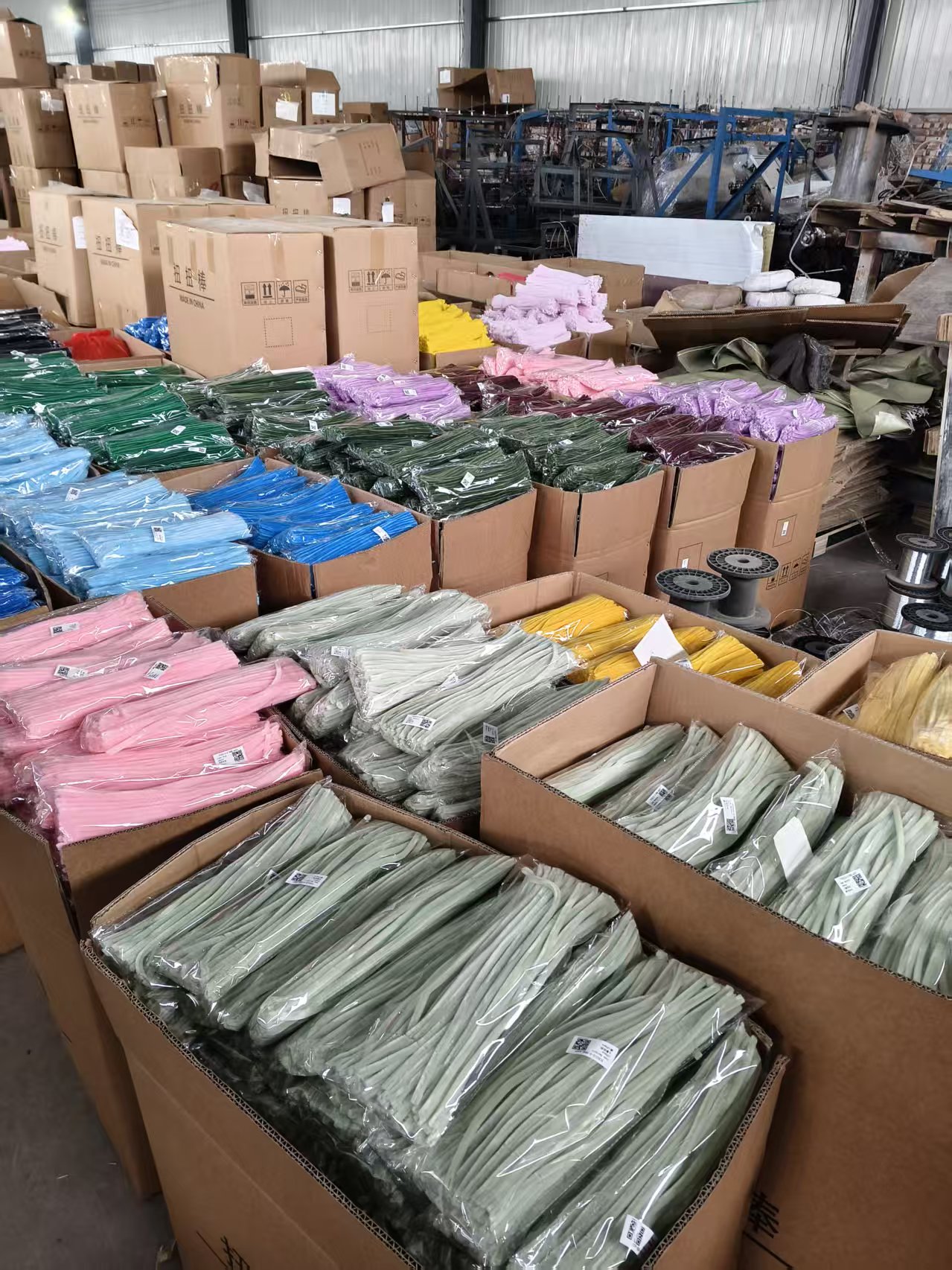
When contacting a manufacturer, use whichever term is clear, but include specifications. A good inquiry might say: “We need wholesale craft chenille stems / pipe cleaners, 6 mm × 30 cm, assorted colors, 100 pieces per bag, custom header card packaging, for the U.S. retail market.”
This wording removes ambiguity. It tells the supplier the product category, intended use, size, packaging and destination market. It also makes it easier to compare quotes from different suppliers because the product being quoted is more clearly defined.
If you only ask, “What is your price for pipe cleaners?” the supplier may quote a standard item that does not match your real need. The quoted price may exclude packaging, color ratios, barcode labels, custom artwork or carton marks. Later, the final price can change, which creates confusion for both sides.
| Use case | Recommended wording | Why it works |
|---|---|---|
| Factory inquiry | Craft chenille stems / pipe cleaners | Clarifies that the product is for craft use, not cleaning. |
| Retail pack title | Chenille Stems / Pipe Cleaners | Covers both professional and consumer recognition. |
| Marketplace listing | Pipe cleaners for crafts, chenille stems | Captures common search behavior and product identity. |
| Specification sheet | Chenille stems | Sounds more precise and professional for B2B documents. |
SEO and Marketplace Naming
For online selling, naming affects discoverability. Many consumers search “pipe cleaners,” while B2B buyers may search “chenille stem manufacturer,” “wholesale chenille stems,” “OEM chenille stems” or “custom chenille stems.” A strong product page or listing should include both terms naturally.
For example, a marketplace title might include “Pipe Cleaners for Crafts” because that is consumer-friendly. The description can explain that they are chenille stems with flexible wire cores. A B2B website can use “Chenille Stems & Pipe Cleaners” to capture both search patterns. This is why our Ultimate Guide to Chenille Stems also uses both terms throughout the article.
Do not stuff keywords unnaturally. Use the terms where they help the buyer understand the product. Search engines and AI answer engines are more likely to trust content that clearly explains terminology, applications and specifications rather than repeating the same keyword many times.
Specifications Matter More Than Naming
The most important buying principle is simple: the name does not define the product quality. Specification does. Two suppliers may both offer “pipe cleaners,” but one may quote 6 mm stems with thin pile and simple bulk packaging, while another may quote fuller 8 mm stems with retail packaging and exact color ratios.
Before comparing prices, confirm these details:
- Diameter, such as 6 mm, 7 mm or 8 mm
- Length, commonly around 30 cm for craft products
- Wire stiffness and bending performance
- Standard, glitter or other finish
- Color list and color ratio per pack
- Piece count per pack and carton
- Packaging type, such as bulk bag, header card or retail box
- Barcode, label, warning text and carton mark requirements
- Destination market and compliance expectations
If you are sourcing a standard product, review standard chenille stems. If your product needs seasonal sparkle, review glitter chenille stems. If you need custom color ratios, review mixed color sets. These product distinctions matter more than the naming debate.
Common Buyer Mistakes
Mistake 1: Comparing prices without matching specifications
A low quote may use a thinner diameter, fewer pieces, cheaper packaging or different color mix. Always compare the same specification.
Mistake 2: Using only one term in consumer packaging
If your target market searches “pipe cleaners,” using only “chenille stems” may reduce recognition. If your brand wants a professional craft identity, using only “pipe cleaners” may feel too generic. Consider using both.
Mistake 3: Forgetting the application
A school craft product, Christmas decoration product and cleaning product may all use similar shapes but need different specifications. Always state the application.
Mistake 4: Treating packaging as an afterthought
Packaging affects cost, lead time, retail appearance and logistics. It should be included in the first quotation request.
Mistake 5: Approving colors only by screen
Digital images are useful for discussion, but physical samples are better for approval. Use a color chart as a starting point, then confirm actual samples.
FAQ
Are chenille stems and pipe cleaners the same thing?
In most craft supply contexts, yes. They usually refer to the same bendable wire-and-fiber product. However, pipe cleaners can also mean cleaning tools, so buyers should clarify the intended use.
Which term should I use for retail packaging?
Many brands use both: “Chenille Stems / Pipe Cleaners.” This helps professional buyers and consumers understand the product.
Which term should I use when asking a factory for a quote?
Use both if helpful, but include detailed specifications such as size, color, finish, count, packaging and destination market.
Are craft pipe cleaners different from cleaning pipe cleaners?
They can be. Craft pipe cleaners prioritize color, softness, shapeability and packaging, while cleaning pipe cleaners may prioritize cleaning performance and stiffness.
Do both terms use the same sizes?
Craft chenille stems and craft pipe cleaners often share common sizes such as 6 mm, 7 mm or 8 mm diameter and around 30 cm length, but buyers should confirm exact specifications.
Which keyword is better for SEO?
Both are useful. “Pipe cleaners” may match consumer search behavior, while “chenille stems” is useful for B2B sourcing, wholesale and manufacturer searches.
Can I use both names on Amazon or retail listings?
Yes, as long as the wording is natural and accurate. Many listings use pipe cleaners in the title and chenille stems in the description or bullet points.
Conclusion
Chenille stems and pipe cleaners usually describe the same craft product, but the terminology carries different meaning depending on audience and use. Consumers may recognize “pipe cleaners” faster, while sourcing teams and craft brands may prefer “chenille stems.” The smartest approach for many wholesale and retail programs is to use both terms while keeping the specification precise.
For procurement, naming is only the first step. The real buying decision depends on size, wire stiffness, pile coverage, color, finish, packaging and quality control. If those details are clear, buyers can compare quotes accurately and build a product that fits the target market.
Related Articles
Need help wording your product specification?
Tell us your market, packaging channel and product use. We can help you define whether to position the item as chenille stems, pipe cleaners or both.