Introduction
A chenille stem inspection should check product size, wire stiffness, pile coverage, exposed wire, color accuracy, mixed color ratio, piece count, packaging, label information, barcode, carton marks and general appearance. For retail or private-label orders, packaging and count accuracy are just as important as the stem itself.
Quality inspection is not only about rejecting defective goods. For importers, wholesalers, craft brands and school supply buyers, inspection protects the product promise. If the package says 100 pieces, the count must be correct. If the listing shows pastel colors, the delivered colors should match. If the buyer approved a private-label header card, the artwork version must be the same.
This checklist is written for buyers who need practical inspection points before shipment. It can be used for standard chenille stems, glitter chenille stems, mixed color sets and private-label craft kits.
Table of Contents
- Approved sample reference
- Size and tolerance
- Wire and flexibility
- Pile coverage
- Color and mixed ratio
- Count accuracy
- Packaging inspection
- Carton marks
- Sampling method
- Common defects
- How to document issues
- FAQ
Start with the Approved Sample
The approved sample is the inspection reference. Without it, buyers and factories may judge quality differently. The approved sample should show size, color, wire feel, pile density, finish, color ratio and packaging. For repeat orders, the original approved sample is especially important.
Buyers should keep a written record with the sample: date, product name, size, color list, packaging type, artwork version and any agreed tolerance. If the order includes custom packaging, keep photos of the approved pack and carton mark as well.
A sample is not useful if it is treated casually. The buyer should state whether it is only a reference sample or a final pre-production approval sample. Large buyers often use a signed sample or sealed sample for comparison.
Size and Tolerance
Check diameter and length against the purchase order. Common sizes include 6 mm, 7 mm and 8 mm diameter, often around 30 cm long, but custom sizes should be checked carefully. Inspect several pieces from different packs, not only one piece from the top.
Length variation may seem small, but it matters for kits and retail presentation. If stems in a clear bag are uneven, the product can look careless. If a craft kit needs a specific length, short pieces may affect assembly.
Diameter should be checked together with pile coverage. A stem can appear thick because of loose fibers but still have poor coverage after bending. If size is critical, define the measurement method and tolerance before production.
Wire Stiffness and Flexibility
The wire should match the intended use. For children’s crafts, buyers may prefer softer wire. For decorations, floral shapes or seasonal products, buyers may need stronger shape holding. Bend and twist the stem several times to check whether it holds shape without breaking or exposing wire.
Compare the bulk shipment with the approved sample. If the wire feels noticeably softer or harder, the finished product may not match the buyer’s application. For large orders, wire feel should be treated as a real inspection point, not a vague impression.
Pile Coverage and Surface Appearance
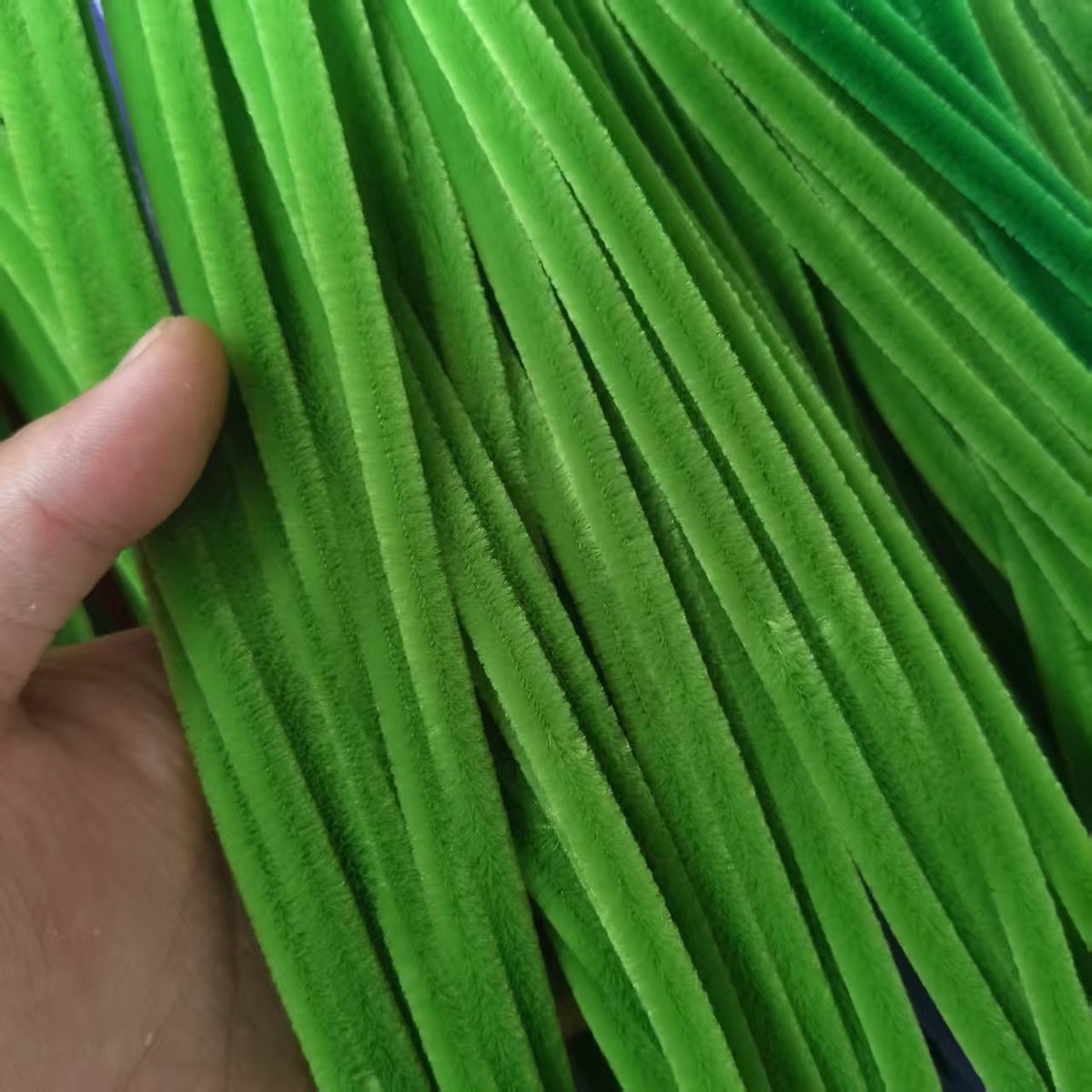
Pile coverage affects appearance and perceived value. Check whether the fuzzy surface is even, whether the wire is visible, whether fibers shed excessively and whether the stem looks thin in certain areas. Bend a few stems to see whether the pile opens and exposes the wire.
For glitter stems, check sparkle consistency and whether metallic fibers shed too much. Glitter products may look different under different lighting, so compare under normal room light and, if possible, near the lighting used for product photography.
Color Accuracy and Mixed Ratio
Color should be compared with the approved sample or color chart. Do not rely only on memory. Screen photos can mislead buyers, so physical color samples are better for final approval. For repeat orders, check whether the color has shifted from the previous batch.
Mixed color sets need two checks: total count and ratio. If the pack should include 10 colors × 10 pieces each, inspection must count pieces per color. A pack can have 100 pieces and still be wrong if the color ratio is not correct.
For seasonal products, color mistakes are more serious. A Christmas or Easter set depends on theme colors. If one key color is missing or too few pieces are included, the product may no longer match the retail concept.
Piece Count Accuracy
Count accuracy is one of the simplest checks and one of the most important. Retail buyers, school supply distributors and marketplace sellers depend on the promised count. Incorrect count can create customer complaints even when the product quality is otherwise acceptable.
Inspect packs from different cartons and production batches. If the product is machine-counted or manually counted, ask how the factory controls mistakes. For mixed sets, count by color as well as total pieces.
Packaging, Labels and Barcodes
Packaging should be inspected against the approved artwork and packing instruction. Check product name, count, size, color information, barcode, warning text, brand name, country of origin and label position. If the buyer sells on a marketplace or to a retailer, barcode and label accuracy can be critical.
Private-label packaging should be checked for spelling, print color, logo placement, bag size, box structure and insert placement. A product can pass physical quality inspection but still fail the buyer’s requirements because the packaging is wrong.
For more detail, use the Custom Chenille Stem Packaging Guide.
Carton Marks and Export Packing
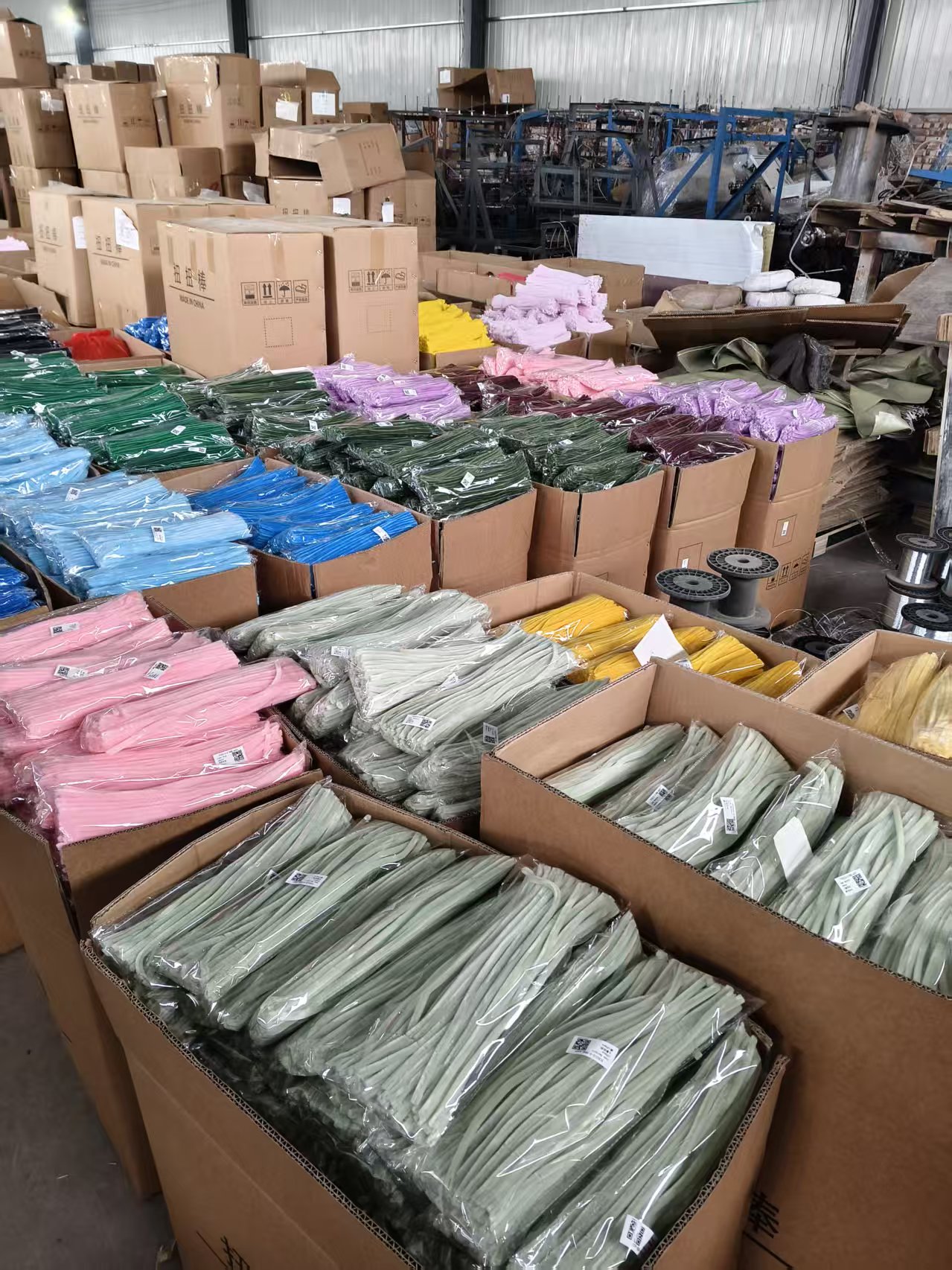
Carton marks help warehouses receive and identify goods. Check SKU, product name, quantity, carton number, gross weight, net weight, carton size, country of origin and handling marks if required. For mixed SKUs, carton marks reduce receiving errors.
Inspect carton strength and sealing. Lightweight craft supplies can still be damaged if cartons are weak or overfilled. If the goods will go to FBA, retail warehouse or a distributor, confirm carton requirements before production.
Practical Sampling Method for Carton Inspection
Most wholesale buyers do not inspect every single pack in a large shipment. Instead, they use sampling. The exact sampling plan depends on order size, product risk and buyer policy, but the logic is simple: open enough cartons from different parts of the shipment to see whether the order is consistent.
A practical approach is to select cartons from the top, middle and bottom of the packed goods, especially if production was packed over several days. For each sampled carton, check the outer marks first, then open the carton and inspect inner packs. Count several packs, measure several stems, compare colors against the approved sample and check whether packaging details match the final artwork.
For mixed color sets, sampling should be stricter because the risk is not only product quality but also ratio accuracy. A pack may look correct at first glance but still have the wrong number of each color. For private-label packaging, sampling should also include barcode scanning and label version checks. A wrong barcode can create more trouble than a small cosmetic defect because it affects receiving, marketplace listing and retail checkout.
If the buyer has a third-party inspection company, the factory should prepare approved samples, final artwork, packing list, purchase order and any special buyer requirements before inspection starts. This saves time and reduces misunderstanding on site.
Common Defects to Watch For
- Exposed wire or thin pile areas
- Uneven length or inconsistent diameter
- Wrong color or visible color variation
- Wrong mixed color ratio
- Short count per pack
- Excessive fiber shedding
- Dirty or crushed packaging
- Wrong barcode, label or artwork version
- Missing carton marks
- Poor carton sealing or weak export cartons
How to Document Quality Issues Clearly
A useful inspection report should be clear enough that both buyer and supplier can make a decision quickly. It should include photos, quantities checked, carton numbers, defect descriptions and whether the issue is isolated or repeated. Vague comments such as “quality is not good” are hard to act on. Specific notes such as “4 out of 20 sampled packs have 98 pieces instead of 100” or “green stems are lighter than approved sample by visible comparison” are much more useful.
When defects are found, separate them into functional, appearance and documentation problems. Functional problems include weak wire, exposed sharp wire or stems that break too easily. Appearance problems include uneven pile, color difference or dirty packaging. Documentation problems include wrong barcode, missing warning text, wrong carton marks or incorrect SKU labels. This helps the buyer decide whether goods can be accepted, repacked, sorted or rejected.
For repeat orders, keep the inspection records. They help both sides improve future production. If the same issue appears again, the buyer can point to previous photos and measurements instead of starting the discussion from zero.
How Buyers Should Decide Acceptance
After inspection, the buyer should decide whether the shipment can be accepted as is, accepted after sorting, corrected before shipment, or held for further review. The decision should match the sales channel. A small carton mark issue may be manageable for a local distributor, but it can be a serious problem for an FBA shipment. A slight color variation may be acceptable for a bulk craft program, but not for a private-label seasonal set where the package photo shows a specific palette.
Buyers should also consider whether the defect affects customer safety, product function, retail presentation or only internal documentation. Exposed wire, sharp ends, strong shedding and incorrect warning labels deserve more attention than a minor cosmetic mark on an inner carton. For children’s craft supplies, safety and label accuracy should be treated carefully because the product may be used by schools, parents and retail consumers.
When correction is needed, ask for a clear action plan: what will be sorted, how many workers will check it, how the factory will prevent the same issue from returning, and whether corrected goods will be re-inspected. A good supplier should not only fix the current shipment but also improve the next production run.
Simple Pre-Shipment Checklist for Chenille Stem Orders
Before releasing balance payment or approving shipment, buyers can use this quick checklist: compare bulk stems with the approved sample; measure diameter and length; bend stems to check wire feel; inspect pile coverage and wire exposure; compare colors under normal light; count pieces per pack; check mixed color ratios; scan barcodes; review packaging artwork; confirm warning text; verify carton marks; check carton strength; and compare the packing list with the purchase order.
This checklist is useful for standard solid-color stems, glitter stems, mixed color sets and retail craft kits. For more complex kits that include accessories such as floral wire, tape, beads or paper, buyers should add kit-component checks as well. Each component should be counted and compared with the final packing plan.
FAQ
What is the most important chenille stem inspection point?
For most buyers, the most important points are size, pile coverage, wire feel, color, count accuracy and packaging correctness.
Should I inspect every pack?
Large orders are usually checked by sampling, but high-risk items such as mixed ratios, barcodes and private-label packaging should be checked carefully.
How do I inspect mixed color sets?
Open sampled packs and count both total pieces and pieces per color. Compare the result with the approved color ratio.
Can photos replace inspection?
Photos are useful for early review, but they cannot fully replace checking size, hand feel, count and packaging details.
What should I send to a third-party inspector?
Send the purchase order, approved sample photos, size tolerance, color list, color ratio, packaging artwork, barcode file and carton mark requirement.
Conclusion
A good chenille stem inspection checklist is practical and specific. It should check the product, the pack and the carton. For big buyers, the goal is not only to find defects but to protect repeat orders, retail consistency and customer trust.
Related Articles
Need help preparing an inspection checklist?
Send your product specification, color ratio, packaging format and sales channel. We can help clarify what should be checked before shipment.