Introduction
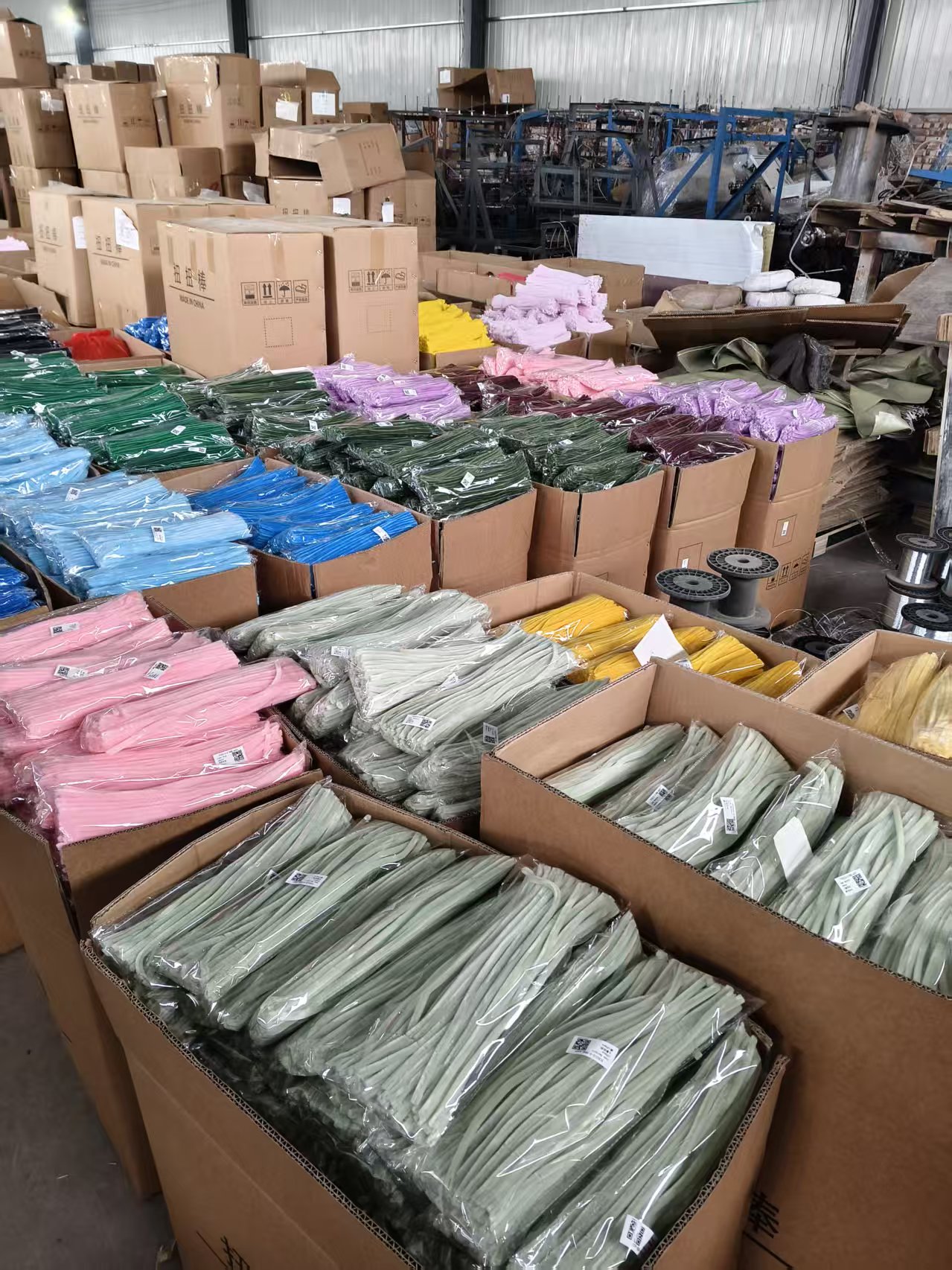
Before buying chenille stems wholesale, buyers should define the product type, diameter, length, color list, color ratio, quantity, packaging, label requirements, destination country, inspection standard and delivery schedule. A complete specification makes supplier quotes easier to compare and reduces mistakes during sampling, production and shipment.
Chenille stems are simple-looking craft supplies, but wholesale purchasing can become confusing if the specification is incomplete. Different suppliers may quote different diameters, finishes, color ratios, pack counts or packaging formats. If those details are not aligned, a buyer may choose the lowest quote without realizing it is not the same product.
This guide is written for importers, purchasing managers, wholesalers, craft brands, school supply companies, marketplace sellers and OEM kit suppliers. It explains how to prepare a quotation request, evaluate samples, compare suppliers, confirm packaging and control quality before shipment.
Table of Contents
- Define the product type
- Build a complete specification
- Compare quotations correctly
- Approve samples before bulk orders
- Plan packaging and labels
- Quality control checklist
- Cartons, shipping and landed cost
- Questions to ask suppliers
- FAQ
Define the Product Type First
The first procurement step is to define what you are buying. “Chenille stems” and “pipe cleaners” are often used for the same craft product, but buyers may also request glitter stems, mixed color sets, craft stems, fuzzy stems, floral stems or complete DIY kits. If the product name is unclear, supplier quotes may not match.
If you are unsure about terminology, start with Chenille Stems vs Pipe Cleaners. If you are comparing product functions, read What Are Chenille Stems?. A clear product definition helps the supplier quote the correct material, finish and packaging.
Common wholesale product types include standard chenille stems, glitter chenille stems, mixed color sets, seasonal color sets and private-label craft kits. Each type has different cost drivers and quality checks.
Build a Complete Wholesale Specification
A complete specification is the most important buying tool. It allows suppliers to quote accurately and helps your team compare offers without guessing. It also becomes the reference for sample approval, production and inspection.
| Specification item | What to confirm | Why it matters |
|---|---|---|
| Product type | Standard, glitter, mixed, seasonal or kit | Different finishes and assortments affect cost and production. |
| Size | 6mm, 7mm, 8mm or custom diameter; standard or custom length | Size affects appearance, flexibility, packaging volume and price. |
| Color | Color list, color code, sample or ratio per pack | Prevents random assortments and color mismatch. |
| Packaging | Bulk bag, retail bag, header card, box, label or kit | Packaging affects retail value, carton data and lead time. |
| Quantity | Total pieces, packs or cartons | MOQ, pricing and production planning depend on quantity. |
| Market | Destination country and sales channel | Labels, language, barcode and safety expectations may differ. |
For size decisions, use the Chenille Stem Size Guide. For color planning, use the Chenille Stem Color Guide and the color chart.
How to Compare Wholesale Quotations Correctly
Wholesale buyers should not compare only the unit price. A lower price may come from a thinner diameter, shorter length, fewer pieces, cheaper packaging, different color ratio or lower carton quantity. To compare fairly, place supplier quotations side by side using the same specification.
Ask each supplier to confirm diameter, length, finish, piece count, color ratio, packaging, carton quantity, gross weight, carton size and lead time. If one quote excludes packaging or labels, it should not be compared directly with a retail-ready quote.
For marketplace sellers, landed cost matters more than factory price. Carton volume, freight method, warehouse fees and dimensional weight can change profitability. A slightly higher factory price with better packing efficiency may produce a lower total cost.
Approve Samples Before Bulk Orders
Samples are essential because chenille stems are tactile products. Photos cannot fully show wire stiffness, pile density, shedding, color tone or package feel. A buyer should approve the physical sample before mass production, especially for custom colors, glitter stems, retail packaging or private-label programs.
Keep the approved sample for future reference. If you reorder the same product, the approved sample helps control color, size and hand feel. If the product is sold under your brand, sample approval is also part of protecting your customer experience.
For complex orders, request a pre-production sample that uses final packaging and label artwork. This helps check barcode placement, header card alignment, warning text, color ratio and product count before bulk packing begins.
Plan Packaging and Labels Early
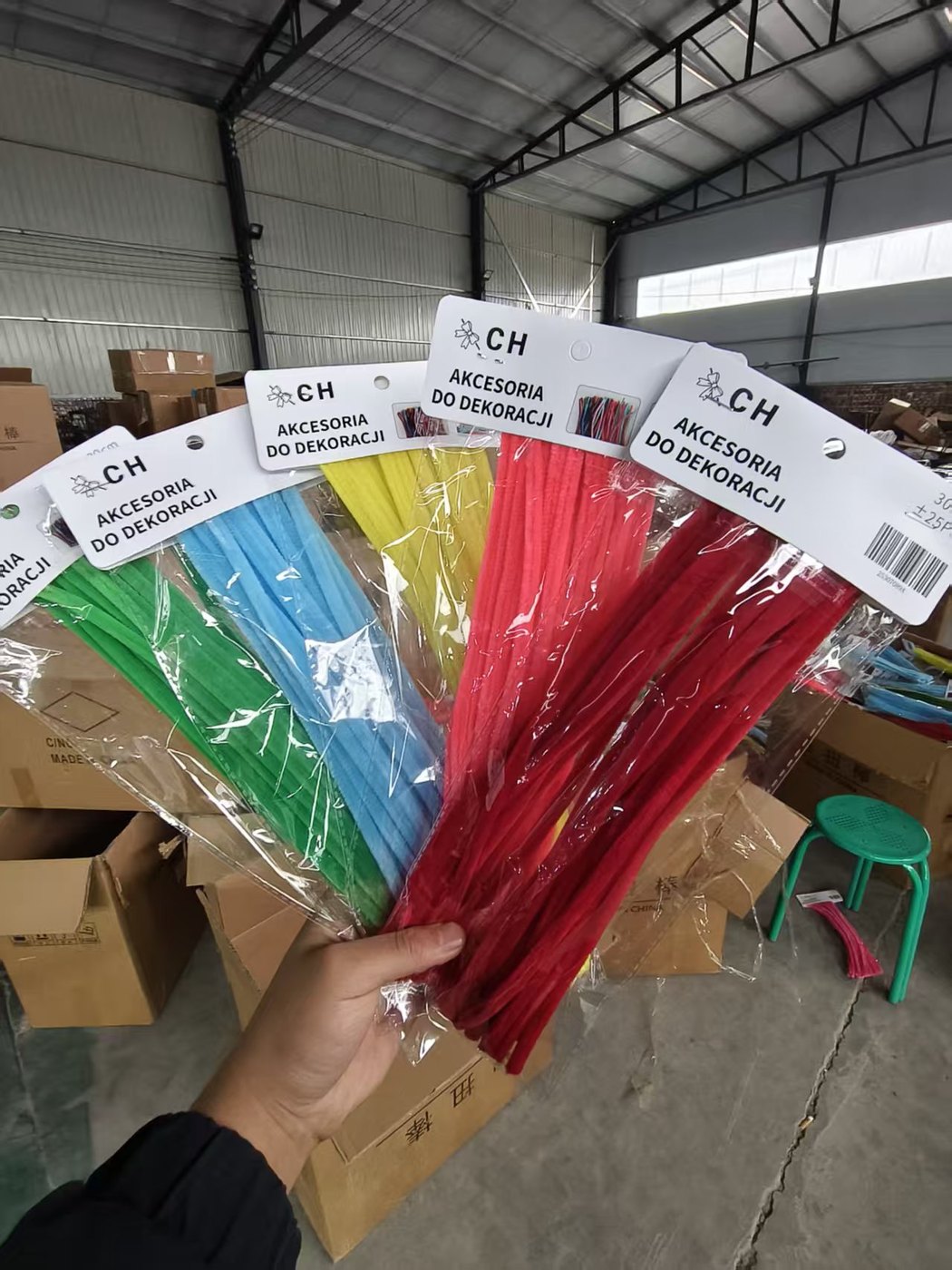
Packaging is not an afterthought. For wholesale chenille stems, packaging can include OPP or PE bags, header cards, retail boxes, gift boxes, barcode labels, carton marks and private-label inserts. Packaging affects cost, lead time, visual value and retail readiness.
If you are selling to retailers, confirm packaging dimensions and hanging hole requirements. If you are selling online, confirm barcode labels, carton marks and warehouse requirements. If you are building a DIY kit, confirm whether other accessories, instructions or packaging inserts are included.
For OEM projects, send artwork early and confirm file format, print colors, label language and proofreading responsibility. Packaging mistakes are often more expensive to fix than product mistakes because printed materials may need to be remade.
Quality Control Checklist
A practical inspection plan should match the product type and order risk. For standard bulk chenille stems, the checks may focus on size, color, count and packaging. For retail or OEM products, checks should also include labels, barcode, artwork, carton marks and finished presentation.
- Diameter and length match the approved specification
- Wire stiffness and bendability match approved samples
- Pile coverage is even and acceptable
- Color tone and color ratio match approved samples
- Glitter or metallic finish is visually consistent
- Piece count per pack is correct
- Packaging is clean, sealed and retail-ready
- Labels, barcode and carton marks are correct
- Carton quantity, gross weight and carton dimensions are recorded
- Photos and inspection results are kept for future repeat orders
Cartons, Shipping and Landed Cost
Chenille stems are lightweight but can take space, especially in thicker sizes or retail packaging. Buyers should ask for carton dimensions and quantity per carton before confirming the order. This information helps estimate freight cost and warehouse handling.
If you change diameter, pack count or packaging, carton data may also change. A move from bulk bags to retail boxes can improve perceived value but increase volume. A move from 6mm to 8mm can improve appearance but reduce carton efficiency.
For importers, landed cost includes product price, packaging, inland transport, export charges, freight, duty, warehouse handling and possible compliance testing. The procurement decision should consider the full cost chain.
Questions to Ask a Chenille Stem Supplier
Good supplier questions save time and reduce ambiguity. Before placing a wholesale order, ask:
- Which diameters and lengths are available as standard production?
- Can you make 6mm, 7mm, 8mm and custom sizes?
- Can you provide physical color samples or a color chart?
- Can you pack custom color ratios per bag or box?
- What packaging formats do you support?
- Can you apply barcode labels, header cards and carton marks?
- What is the MOQ for standard colors and custom colors?
- What is the sample lead time and bulk production lead time?
- What inspection photos or reports can be provided before shipment?
- Can the same specification be repeated for future orders?
FAQ
What information should I send for a chenille stem quote?
Send product type, diameter, length, color list, color ratio, quantity, packaging format, destination country and label or barcode requirements.
What is the common wholesale size?
Common craft sizes include 6mm, 7mm and 8mm diameter, often around 30cm long. Custom sizes can be discussed for OEM projects.
Can I buy mixed color chenille stems wholesale?
Yes. Mixed sets are common. The buyer should specify the color list and exact count per color in each pack.
Can chenille stems be private-label packed?
Yes. Options may include retail bags, header cards, boxes, labels, barcode stickers, carton marks and complete craft kit packaging.
Why do supplier prices vary so much?
Prices vary because of diameter, length, material, finish, color ratio, packaging, quantity, carton data and quality expectations.
Should I approve a sample before bulk production?
Yes. Physical samples help confirm size, color, wire feel, pile coverage and packaging before mass production.
How do I reduce risks in repeat orders?
Keep approved samples, repeat the same written specification, confirm color and packaging details, and request pre-shipment photos or inspection.
Are glitter chenille stems more expensive?
They can be, because the finish, material and visual effect differ from standard fuzzy stems. Compare quotes with the same size and packaging.
Conclusion
Buying chenille stems wholesale becomes much easier when the buyer treats the product as a specification-driven item. Define the product type, size, color ratio, packaging, quality expectations and shipment requirements before asking for a quote. Then approve samples and compare suppliers using the same details.
A clear buying process reduces quotation confusion, prevents production mistakes and helps build reliable products for retailers, schools, craft brands, marketplace sellers and OEM kit programs.
Related Articles
Preparing a wholesale chenille stem order?
Send your size, color ratio, quantity, packaging and destination country. We can help turn your idea into a clear quotation specification.