Introduction
Chenille stem MOQ and lead time depend on product type, diameter, color count, mixed ratio, packaging style, artwork approval, production schedule and shipping term. A buyer should ask for MOQ by SKU, pack count, color ratio and packaging format, then confirm whether lead time starts after deposit, sample approval, artwork approval or final order confirmation.
Many wholesale buyers ask a factory one short question: “What is your MOQ?” The answer is rarely as simple as one number. A standard solid-color chenille stem in bulk packaging may have a different MOQ from a glitter stem, a mixed color craft kit, a private-label retail pack or a seasonal Christmas assortment. The same factory can often support several order structures, but each structure affects material preparation, color sorting, packing labor, carton loading and production scheduling.
This guide is written for importers, purchasing managers, craft brands, distributors, school supply buyers and marketplace sellers who need realistic order planning. It explains how to discuss minimum order quantity and lead time in a way that helps both sides quote accurately.
Table of Contents
- What MOQ really means
- How to plan quantity
- Lead time stages
- Packaging impact
- Risk reduction
- Buyer checklist
- External references
- FAQ
What MOQ Really Means in Chenille Stem Orders
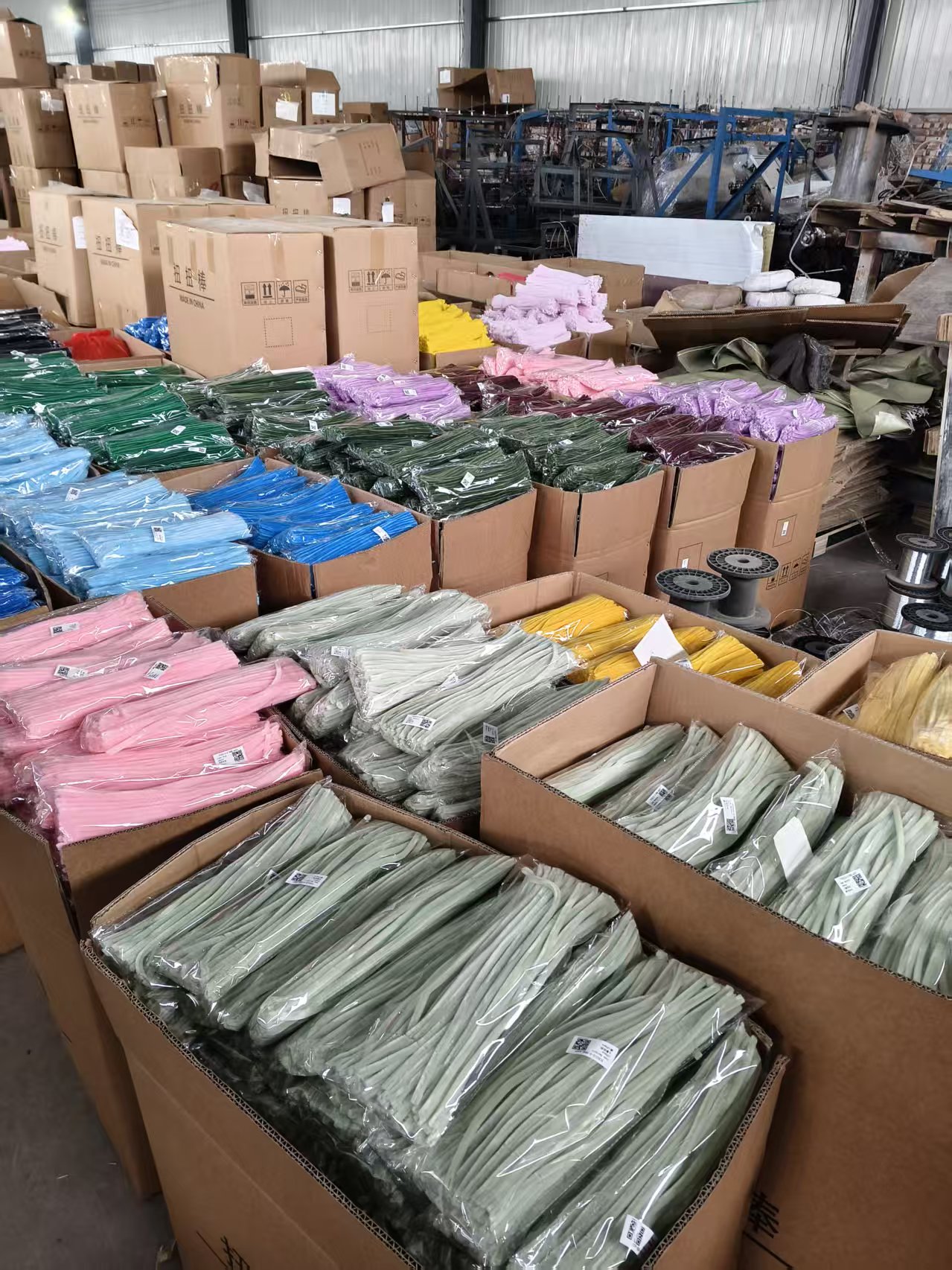
MOQ is not only a factory preference. It is connected to raw material purchase, machine setup, dye or color preparation, color sorting, packaging material purchase and carton handling. For simple standard products, the factory may already have popular colors or materials in regular production. For custom color ratios, glitter finishes or private-label packaging, the order may need additional setup.
Buyers should ask whether MOQ applies to the total order, each color, each SKU, each packaging design or each carton configuration. A supplier may say the MOQ is acceptable, but later explain that the MOQ is per color. That changes the buying plan immediately. For example, a 10-color assortment may be simple if colors are existing stock, but more demanding if every color must be produced or packed in a fixed ratio.
For chenille stems, a clear MOQ conversation usually includes diameter, length, finish, color list, color ratio, count per pack, package style and destination market. If any of these are missing, the MOQ answer is only a rough estimate.
How Buyers Should Plan Quantity Before Asking for MOQ
Before contacting suppliers, buyers should separate their demand into three levels: test order, first production order and repeat order. A test order is used to verify product-market fit, packaging, customer response and internal receiving process. A first production order is usually larger and should use confirmed samples. A repeat order is where the buyer needs stability, matching color and consistent packaging.
If the buyer sells through retail chains or distributors, the quantity may be driven by store count, case pack and replenishment plan. If the buyer sells online, quantity may be driven by expected monthly sales, storage limits and platform requirements. If the product is for a craft kit, quantity depends on kit count and parts per kit. These numbers should be written down before asking for MOQ.
It also helps to ask the supplier for price breaks. Instead of asking only for the lowest MOQ, ask for quotations at two or three volume levels. This shows how material, packing and carton efficiency change with quantity. A buyer may find that moving from a small trial quantity to a slightly larger quantity gives much better unit cost without creating too much inventory risk.
Lead Time Is More Than Production Days
Lead time can mean different things to different suppliers. Some count from deposit receipt. Some count from sample approval. Some count from artwork approval for packaging. Some give production time only and exclude domestic trucking, export booking, customs documents and international transit.
A useful lead-time question is: “What are the stages, and what must be approved before each stage starts?” For chenille stem orders, stages may include specification confirmation, sample preparation, sample review, packaging artwork, packaging sample, material preparation, production, packing, internal inspection, final buyer inspection, export documents and shipment.
Buyers should also ask whether the quoted lead time changes during busy seasons. Holiday craft products, school supplies and seasonal color assortments often need earlier planning. A Christmas chenille stem program should not be placed like a normal reorder if retail delivery dates are fixed.
How Packaging Changes MOQ and Lead Time
Bulk packaging is usually simpler than retail packaging. Private-label packaging requires artwork, label content, barcode, warning language, carton marks and sometimes packaging samples. A gift box or craft kit box may require a packaging supplier, die line confirmation and print approval. These steps can add time before production starts.
Packaging can also create a separate MOQ. A factory may be able to make a smaller quantity of stems but the printed header card or custom box supplier may require a higher minimum. This is common in private-label craft supplies. Buyers should ask the MOQ of the product and the MOQ of the packaging separately.
If the buyer is not ready for full custom packaging, a practical first step may be neutral packaging with a label, or a standard bag with a buyer-approved sticker. Later, after sales are proven, the buyer can move to printed retail packaging. The Custom Chenille Stem Packaging Guide explains how to compare these packaging options.
Reducing Risk in First Orders
Large buyers do not always need to start with the largest possible order. A better approach is to make the first order large enough to test supply performance but controlled enough to limit risk. For example, a buyer may begin with a few proven colors, then add seasonal colors or more complex packaging in the next order.
Risk can also be reduced by approving physical samples, keeping a reference sample, confirming carton details, checking barcodes and requesting pre-shipment photos. For mixed sets, the buyer should check whether the factory’s packing process can maintain the agreed color ratio. For retail packs, the buyer should check that count, label and packaging appearance match the approved sample.
Buyers importing into the United States, the European Union or other regulated markets should also plan import documents and product responsibility early. The supplier can support product information, but the importer is usually responsible for confirming destination-market requirements.
How to Connect MOQ With Sales Forecasts
MOQ should not be planned in isolation from sales forecasts. A craft brand may want many colors to make a catalog look complete, but each additional color can increase SKU complexity, packing time and inventory risk. A better first order often focuses on fewer high-confidence colors, then expands after real sell-through data is available.
For distributors, MOQ should be connected to customer ordering behavior. If retailers normally reorder by carton, the carton configuration should match that behavior. If marketplace sellers replenish monthly, the first order should balance shipping economy with storage cost. If the product is for school or seasonal use, the order should match the buyer’s selling window rather than the factory’s lowest possible price.
Buyers can share a rough forecast without revealing sensitive business details. For example: “We expect to test 3 SKUs first and reorder monthly if sell-through is stable.” This helps the supplier suggest a practical MOQ and packing method. It also helps the factory understand whether color and packaging records must be prepared for repeat orders, whether materials should be reserved, and whether the buyer is building a long-term program rather than a one-time small purchase.
Documents Buyers Should Request With Larger Orders
For larger chenille stem orders, MOQ and lead time should be supported by documents. A proforma invoice should repeat the specification, quantity, packaging, price, payment terms and shipping term. A sample approval record should identify the approved product, color and packaging reference. A packing list should match the final carton count and shipment quantity.
If the order is private label, the buyer should keep the latest artwork file, barcode record, carton mark requirement and any warning text used on the package. If the product is intended for children’s craft use, the buyer should discuss testing and labeling expectations before mass production. These records reduce repeat-order mistakes and make internal review easier.
The purpose of documentation is not bureaucracy. It protects both buyer and supplier. When the next order comes, the team can refer to the same specification instead of reconstructing decisions from old chat messages.
Buyer Checklist for MOQ and Lead Time
Use this checklist when contacting a chenille stem supplier:
- Confirm whether MOQ is per order, per SKU, per color or per packaging design.
- Ask for price breaks at several quantity levels.
- Define diameter, length, finish, color list and color ratio before quoting.
- Separate product MOQ from printed packaging MOQ.
- Ask what starts the lead-time clock: deposit, sample approval or artwork approval.
- Ask for carton size, quantity per carton, gross weight and net weight.
- Confirm whether samples, packaging samples and pre-shipment photos are included.
- Discuss shipping term and destination country before comparing landed cost.
For a broader sourcing process, use the Wholesale Chenille Stems Buying Guide and the Supplier Quote Comparison Guide.
External References
These external resources are useful when buyers connect product specifications with import terms, product identification, and market-entry checks. They do not replace legal, customs, or compliance advice for your destination market.
- ICC Incoterms rules overview
- U.S. Customs and Border Protection: basic importing guidance
- European Commission Access2Markets portal
FAQ
What is a normal MOQ for chenille stems?
There is no single normal MOQ because it depends on diameter, color, finish, packaging and whether the order is stock, custom or private label. Buyers should ask whether the MOQ applies per color, per SKU or per packaging design.
Why does custom packaging increase MOQ?
Printed bags, header cards, boxes and labels may have their own minimums from packaging suppliers. They also require artwork confirmation and sometimes sample printing.
Does a mixed color set have a different MOQ?
Often yes. Mixed sets require color planning, sorting and counting. Exact ratios may increase packing work compared with one solid color.
When does lead time start?
Buyers should confirm this in writing. Lead time may start after deposit, final sample approval, artwork approval or full order confirmation.
Can small buyers start with a trial order?
In many cases, yes, especially if they use existing colors and simple packaging. More customized orders usually need higher minimums.
How can buyers reduce delays?
Send a complete specification, approve samples quickly, prepare packaging artwork early, confirm barcodes and carton marks, and avoid changing colors after production starts.
Does shipping time count as lead time?
Some suppliers quote production time only. Buyers should separately confirm domestic delivery, export handling and international transit time.
Can Yunjian Workshop help plan MOQ?
Yunjian Workshop can review target colors, packaging style, pack count and destination country to suggest a practical first-order structure for wholesale buyers.
Conclusion
Good chenille stem sourcing is not only about finding a factory that can make the product. It is about giving that factory a clear specification, confirming samples, understanding packaging and import expectations, and keeping enough decision records for repeat orders. Buyers who document these details usually receive more stable quotes, fewer surprises, and cleaner handoffs between purchasing, design, logistics and sales teams.
Related Articles
Planning a wholesale chenille stem order?
Send target quantity, colors, pack count, packaging style and destination market. We can help suggest a realistic first-order structure and quotation basis.