Introduction
Direct answer: To compare chenille stem supplier quotes fairly, buyers should compare the same diameter, length, wire feel, pile density, color list, mixed ratio, pack count, packaging format, carton size, inspection standard, lead time and shipping term. A low unit price is not useful if the product, packaging or landed cost is different.
Chenille stems look like a simple craft supply, so many buyers start by asking several factories for a price per pack or price per carton. The answers often look confusing: one supplier is cheaper, another has better packaging, another promises faster lead time, and another gives a lower minimum order quantity. Without a shared specification, those quotes may not describe the same product.
This guide is written for purchasing managers, importers, wholesalers, craft brands, school supply companies and marketplace sellers. It explains how to compare chenille stem quotes in a practical way, so the buyer can choose a supplier based on total value, not only the lowest number in an email.
Table of Contents
- Start with one specification
- Compare product details
- Compare colors and ratios
- Compare packaging
- Compare carton and freight impact
- Compare samples
- Compare inspection support
- Compare lead time and terms
- Use a scorecard
- FAQ
Start with One Written Specification
The biggest reason quotes are difficult to compare is that each supplier may assume something different. One supplier may price a 6mm standard stem, another may price a fuller 8mm stem, and another may include retail packaging. The result is not a real comparison.
Before asking for quotes, prepare a short written specification. It should include product type, diameter, length, wire feel, color list, color ratio, quantity, pack count, packaging format, carton requirements, destination country and target delivery date. If the product is a craft kit, include the full component list.
Use the same specification for every supplier. If a supplier suggests a change, ask them to mark the change clearly. This keeps the buyer in control of the comparison and makes later sample approval easier.
Compare Product Details, Not Product Names
Product names can be misleading. “Pipe cleaners,” “chenille stems,” “craft stems” and “fuzzy stems” may refer to similar products, but the actual specification can vary. Compare diameter, length, wire strength, fiber coverage and finish. If the product is glitter, compare sparkle and shedding. If the product is for floral crafts, compare shape holding.
A lower price may come from a thinner product, softer wire or lighter pile coverage. That may be fine for a budget craft pack, but it may not work for a premium kit or a product sold under a private label. Buyers should test the product by bending, twisting and using it in the intended project.
For product selection, review the Chenille Stem Size Guide and How Chenille Stems Are Made. These guides explain why small material choices affect feel and performance.
Compare Color Lists and Mixed Ratios
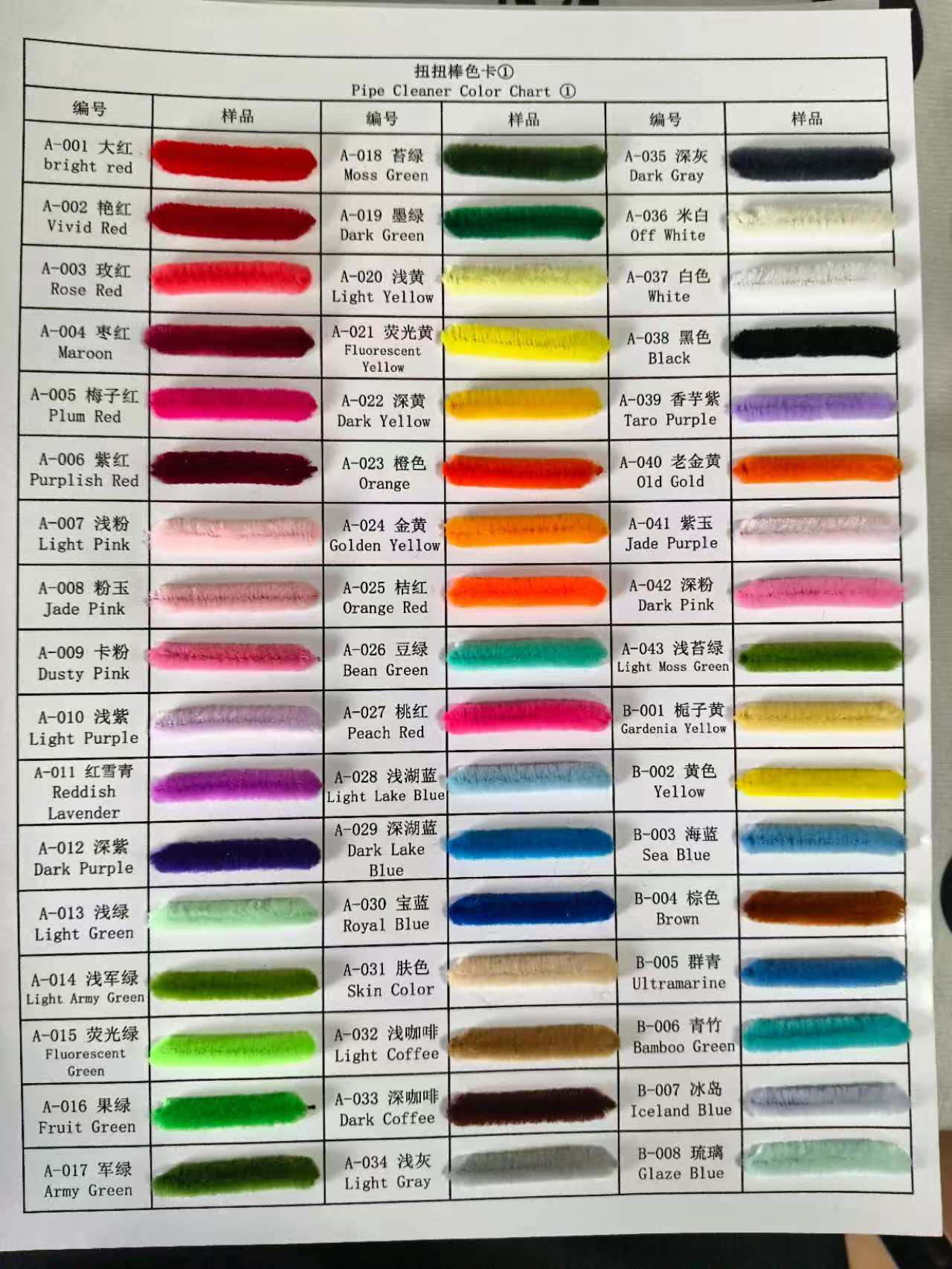
Color can change the cost and packing work. A single solid color order is simpler than a mixed assortment with exact piece counts. Glitter, pastel or custom colors may require different material or setup. If suppliers are quoting different color assumptions, their prices will not be comparable.
Write colors as a list and ratios as piece counts. For example, “100 pieces per pack: 10 colors × 10 pieces each” is clearer than “assorted colors.” For seasonal packs, define the exact ratio, such as red, green, white, gold and silver. For brand colors, use an approved sample or color reference.
The Chenille Stem Color Guide can help buyers organize color planning before quotation. It is especially useful for mixed sets, holiday programs and private-label craft kits.
Compare Packaging Scope
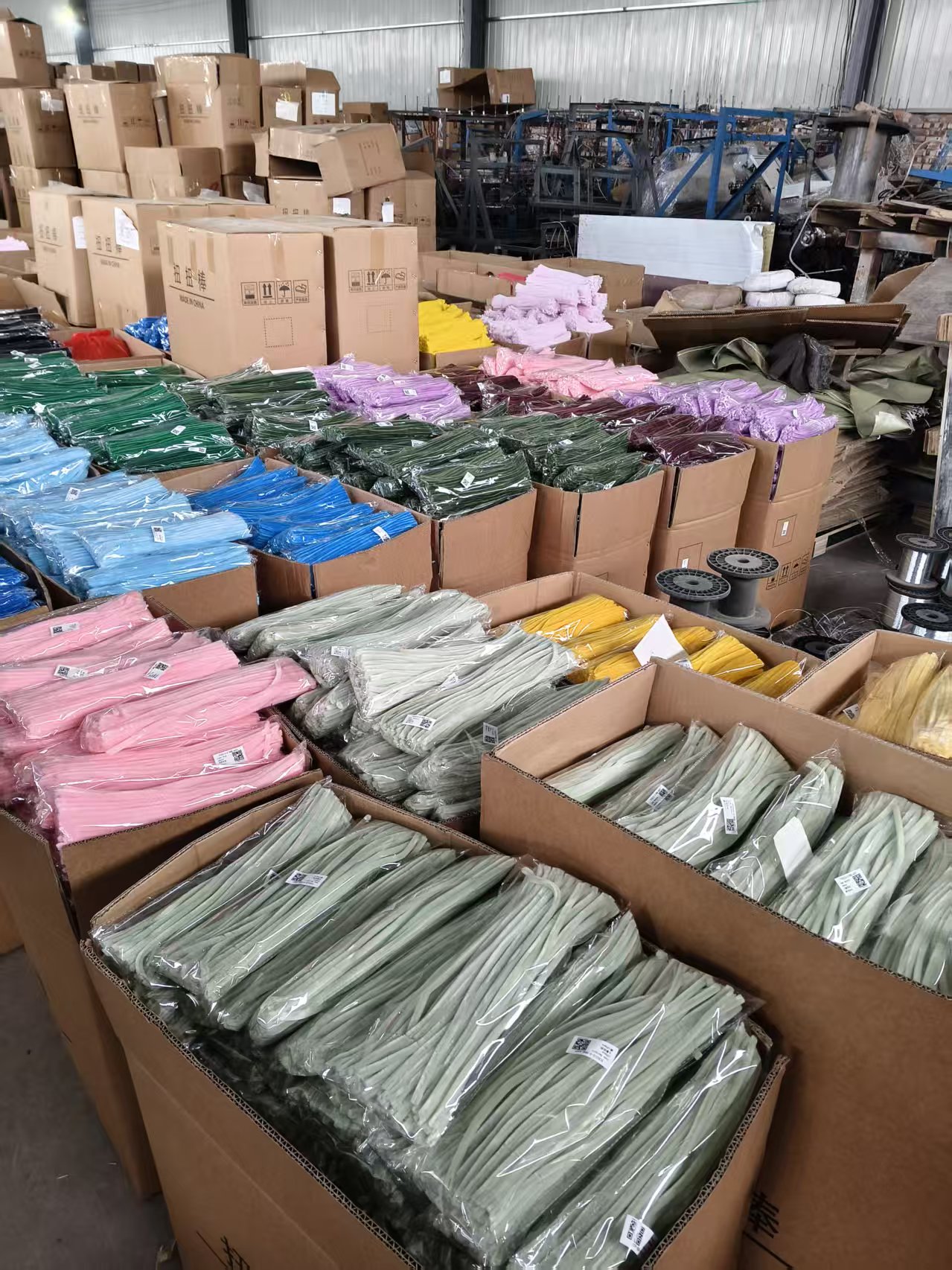
Packaging is often where quote differences hide. A supplier may quote bulk polybags while another quotes retail bags with header cards, labels and barcodes. Those are not the same product. Packaging affects material cost, labor, carton size, inspection time and retail readiness.
Buyers should compare pack count, bag type, header card, box structure, barcode label, warning text, language requirements, carton marks and whether artwork is included. If packaging artwork is not final, ask the supplier whether the quote includes artwork checking, sample printing or only plain packaging.
For private-label buyers, read the Custom Chenille Stem Packaging Guide. If the buyer is developing a full kit, the Chenille Stems for Craft Kits guide explains how product components and packaging should be checked together.
Compare Carton Size and Freight Impact
Unit price is only one part of cost. Chenille stems are light, but packaging can take space. A carton with better loading may reduce freight cost. A gift box or retail display pack may increase volume but improve sales presentation. Importers should ask for carton dimensions, gross weight, net weight and units per carton before comparing landed cost.
For large orders, the difference in carton loading can matter more than a small unit price difference. If one supplier quotes a slightly higher product price but packs more efficiently, the total landed cost may be competitive. If another supplier uses weak cartons, product damage or repacking can erase the savings.
Ask suppliers whether the carton is suitable for sea freight, warehouse handling, FBA or retail distribution. Carton marks should match the buyer’s receiving requirements.
Compare Samples Before Choosing
A quote should not be judged only on paper. Physical samples show wire feel, pile coverage, color, glitter appearance, flexibility and packaging quality. For serious wholesale orders, buyers should request samples from shortlisted suppliers and compare them against the same specification.
When reviewing samples, test them in the final use case. Bend the stems, twist them, pack them, count them and compare the color under normal light. If the product is for a craft kit, make the craft using the sample. If it is for retail, check how it looks inside the package.
Keep the approved sample. It becomes the reference for production and repeat orders. Without a physical reference, a buyer and supplier may disagree later about what “same quality” means.
Compare Quality and Inspection Support
Ask each supplier how they check diameter, length, color, pile coverage, wire exposure, count, packaging and carton marks. For mixed color sets, ask how they count colors. For private-label packaging, ask how they confirm barcode and artwork version before shipment.
Some suppliers may offer pre-shipment photos, packing videos or support for third-party inspection. This can be valuable for importers and brand owners who cannot visit the factory. A supplier that communicates quality checks clearly may reduce risk even if the unit price is not the lowest.
Use the Chenille Stem Quality Inspection Checklist to build your inspection requirements before final negotiation.
Compare Lead Time, Payment and Communication
Lead time should be measured from the right starting point. Some suppliers count from deposit date, while others count from final sample or artwork approval. For custom packaging, artwork approval can take time. For seasonal orders, a delay can be more expensive than a small price difference.
Payment terms, sample fees, mold or plate costs, packaging setup fees and shipping terms should be listed separately. If the buyer needs FOB, CIF, DDP or courier delivery, the quote should state it clearly. A quote without shipping term can be misleading.
Communication quality also matters. A supplier who answers specifications carefully and asks useful questions is often easier to work with in repeat orders. Slow or vague communication before payment may become a bigger problem during production.
Simple Quote Comparison Scorecard
Buyers can compare suppliers using a scorecard instead of relying on memory. Suggested categories include product match, sample accuracy, color control, packaging capability, carton information, lead time, inspection support, communication and total landed cost. Give each category a score from 1 to 5 and add notes.
This method prevents the cheapest quote from automatically winning. It also helps purchasing teams explain decisions internally. If a supplier is more expensive but scores higher on packaging, inspection and communication, the buyer can justify the choice based on reduced risk.
For large programs, keep the scorecard together with samples, quotes and final specifications. It becomes a useful record for repeat orders and supplier review.
Red Flags in Supplier Quotations
A quotation can look attractive but still carry risk. Watch for missing product dimensions, unclear pack count, no carton information, vague delivery time, no sample reference, no packaging description or a price that changes when basic questions are asked. These issues do not always mean the supplier is bad, but they show that the quotation is not ready for a purchasing decision.
Another red flag is a supplier who agrees to every request without asking questions. For custom color ratios, private-label packaging or craft kits, a careful supplier should ask for details. If a buyer requests a 100-piece mixed color retail pack, the supplier should ask about exact colors, count per color, bag style, barcode, carton marks and destination market. Good questions usually lead to fewer mistakes.
Buyers should also be cautious when a quote excludes inspection, packaging samples or final artwork confirmation. These steps may seem small, but they protect the order. A low price that requires later repacking, relabeling or sorting can become expensive quickly.
Compare Repeat-Order Reliability
Large buyers should think beyond the first order. A supplier may deliver one trial order well but struggle with repeat color consistency, packaging records or production scheduling. Ask whether approved samples are kept, whether color cards are recorded, and whether packaging artwork versions are controlled.
Repeat orders are where a stable supplier becomes valuable. If the buyer sells a successful retail pack, the next order should match the first one closely. The same diameter, color ratio, packaging, barcode and carton marks should be repeated unless the buyer approves a change. When comparing suppliers, ask how they prevent accidental changes between orders.
For importers, repeat-order reliability also affects customer relationships. Retailers and marketplace customers expect the same product when they reorder. A small factory saving on material can become a big buyer problem if reviews or retail acceptance are affected.
FAQ
What is the most important thing to compare in chenille stem quotes?
The most important thing is whether every supplier quoted the same specification, including size, material feel, color ratio, packaging and carton requirements.
Why is one supplier much cheaper?
The cheaper quote may be based on thinner stems, simpler packaging, different count, weaker cartons, lower pile density or different shipping terms. Ask for details before deciding.
Should I ask for samples from every supplier?
For serious orders, shortlist suppliers first, then request physical samples from the best candidates. Samples are essential for checking hand feel and color.
How do I compare mixed color set quotes?
Define the exact number of pieces per color and compare whether each supplier includes the same sorting, counting and packaging work.
Should packaging be quoted separately?
Yes. Packaging can change cost and freight. Ask suppliers to list bulk packaging, retail packaging, labels, cartons and any setup fees clearly.
Can Yunjian Workshop help prepare a quote specification?
Yunjian Workshop can help buyers define size, color ratio, packaging, carton details and sample requirements before quotation.
Conclusion
Comparing chenille stem supplier quotes is not about choosing the lowest number. It is about comparing the same product, same packaging and same delivery assumptions. Buyers who prepare a clear specification, approve samples and compare landed cost are more likely to avoid production surprises and build stable supplier relationships.
Related Articles
Need comparable chenille stem pricing?
Send your diameter, length, colors, ratio, quantity, packaging and destination country. We can help quote against a clear specification.